Functional training also improves balance and coordination. Many exercises require stabilizing the body while moving in multiple directions or while supporting uneven loads. Movements such as single-leg deadlifts, step-ups, lunges, and stability exercises activate smaller stabilizer muscles and improve neuromuscular control. Better balance and coordination reduce the risk of falls and injuries, especially for older adults. Athletes also benefit from improved movement efficiency because better coordination enhances sports performance.
Core stability is another essential aspect of functional training. The core includes the abdominal muscles, lower back, hips, and pelvis, which work together to stabilize the spine and transfer force between the upper and lower body. Functional exercises often require strong core engagement to maintain posture and balance during movement. Exercises such as planks, farmer’s carries, medicine ball rotations, and kettlebell swings strengthen the core while improving posture and spinal stability. A strong core supports better athletic performance and reduces the likelihood of lower back pain.
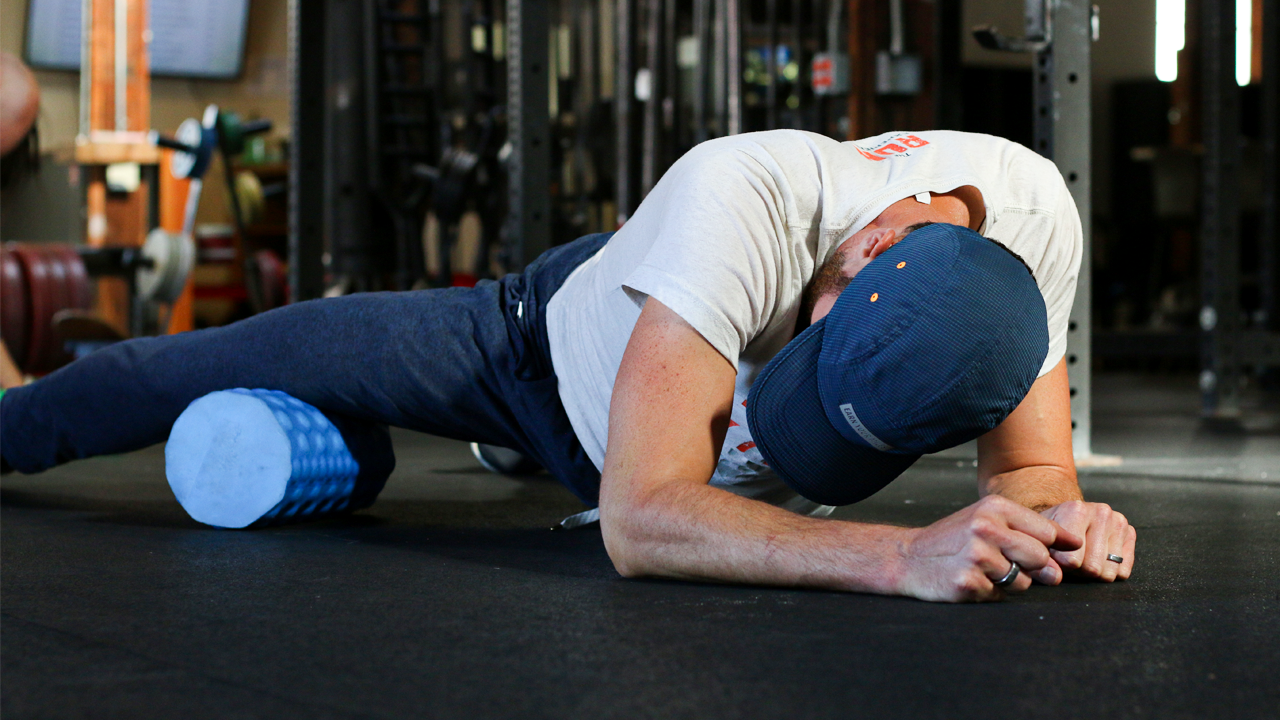
Mobility and flexibility are important components of functional fitness because efficient movement requires healthy joint function and muscle elasticity. Functional training often includes dynamic stretches, mobility drills, and full-range movements that improve flexibility and movement quality. Increased mobility helps the body move more freely and reduces stiffness caused by sedentary lifestyles. Functional exercises encourage joints to move naturally through multiple planes of motion, improving overall movement mechanics.
Functional training is highly effective for improving posture because it strengthens muscles responsible for maintaining spinal alignment and body positioning. Modern lifestyles often involve long hours of sitting, which can weaken postural muscles and create muscular imbalances. Functional exercises strengthen the posterior chain, including the back, glutes, and core muscles, helping counteract poor posture habits. Improved posture reduces strain on the neck, shoulders, and lower back while improving overall movement efficiency.
One of the reasons functional training is so popular is its versatility. Functional workouts can be adapted for beginners, athletes, older adults, rehabilitation patients, and advanced fitness enthusiasts. Exercises can be modified according to individual strength, mobility, and fitness goals. Beginners may start with bodyweight exercises while advanced athletes incorporate heavier resistance, unstable surfaces, or explosive movements. Functional training can also be performed in gyms, homes, parks, sports facilities, or rehabilitation centers with minimal equipment.